Wimbledon station removals guide for tight access jobs
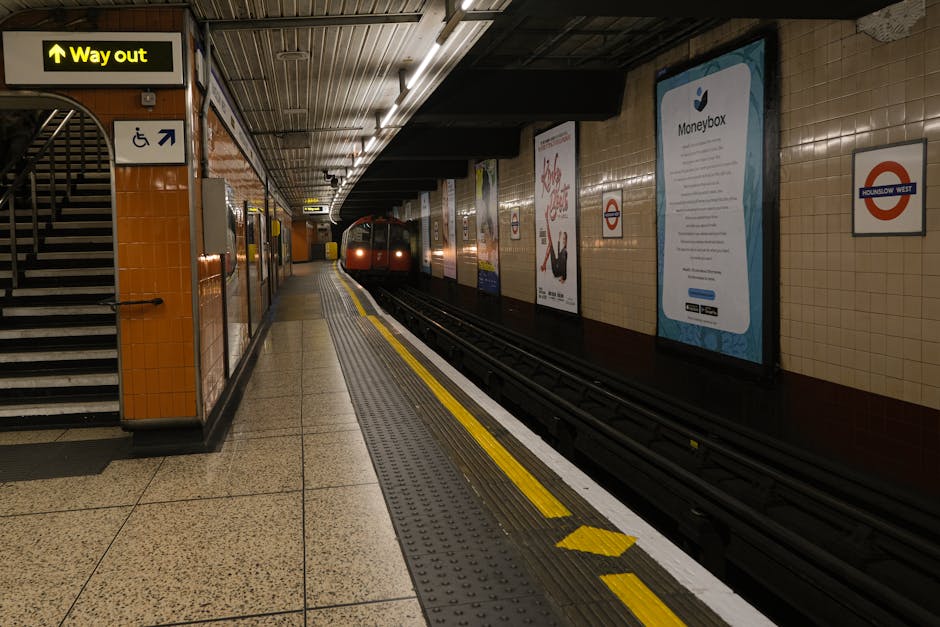
If you are planning a move near Wimbledon station, the access can be the real headache. Narrow streets, busy pavements, limited stopping space, stairwells that feel like they were designed by someone with a grudge, and neighbours trying to squeeze past with coffee in hand - it all adds up. This Wimbledon station removals guide for tight access jobs is here to make the process feel less chaotic and a lot more workable.
The good news? Tight access does not automatically mean a difficult move. It just means the job needs better planning, the right vehicle size, smart packing, and a crew that understands how to move in awkward spaces without turning the morning into a small disaster. Whether you are shifting out of a flat, moving office equipment, or handling a few heavy items with a man-and-van setup, the details matter.
Below, you will find a practical, human guide to what tight access actually means in a Wimbledon station move, how the process works, what to watch for, and how to keep things smooth enough that you can still breathe properly on the day.
Why Wimbledon station removals guide for tight access jobs matters
Tight access changes everything. A normal removal might be about volume and timing. A tight-access removal is about geometry, timing, patience, and not dropping a wardrobe on a stair corner. Around Wimbledon station, the practical issue is rarely just the distance between doors. It is the route from property to vehicle, the stopping space, the width of internal corridors, and whether your largest item actually fits through the front entrance without a weird angle and a few very unhelpful curses.
This matters because even a short move can become expensive or stressful if the access is underestimated. A van that is too large may not park well. A sofa that cannot turn in the hallway may need dismantling. A long carry from the flat to the road can add time, labour, and risk. That is where local removals experience really helps. It is not just about lifting boxes - it is about spotting the pressure points before they become problems.
There is also a trust angle here. When you are moving from a station-side property, you often need a removals team that can work neatly, communicate clearly, and adapt quickly if the road is busier than expected. In a real-world move, that calm, practical judgement is worth a lot. Truth be told, it is what separates a controlled day from a scramble.
Expert summary: In tight-access jobs, the best removals plan is the one that reduces physical handling, shortens carrying distance, and avoids surprises on the day. Size, timing, and packing all matter more than most people expect.
How Wimbledon station removals guide for tight access jobs works
The process starts before anyone picks up a box. A proper tight-access move begins with a quick but detailed look at the property layout and the route to the vehicle. That means checking entrances, stairs, lift access if there is one, parking options, and whether there are any awkward turns, low ceilings, or shared hallways that need extra care.
For station-adjacent jobs, the moving plan usually comes down to four questions:
- How close can the vehicle realistically get to the property?
- What is the heaviest or most awkward item?
- Do any items need dismantling before moving?
- Will parking, waiting, or access restrictions affect loading time?
Once those basics are clear, the move can be shaped around them. Sometimes the answer is a smaller vehicle and more trips. Sometimes it is a larger vehicle parked slightly further away, with a well-planned carrying route. Sometimes it means using small removals support for a compact but tricky load, or adding packing services so the boxes are easy to stack, protect, and carry.
If your move involves short gaps between move-out and move-in dates, it may also make sense to use short-term storage or removals and storage. That can remove pressure from the day itself. A surprisingly useful trick, that one.
For example, a one-bed flat with a narrow stairwell and no lift can often be moved more efficiently if bulky furniture is dismantled the day before and fragile items are packed into smaller, manageable boxes. The work becomes less dramatic. Still work, of course, but less dramatic.
Key benefits and practical advantages
The biggest benefit of planning a tight-access removal properly is control. You know what is moving, how it will be moved, and where the pressure points are likely to appear. That sounds simple, but in practice it prevents a lot of damage, delay, and last-minute panic.
Here are the main advantages:
- Lower risk of damage to furniture, walls, door frames, and stairwells.
- Faster loading because the team has planned around the layout.
- Better vehicle choice so the van size suits the access, not just the volume.
- Less physical strain for everyone involved.
- Cleaner handling of awkward items such as wardrobes, beds, mirrors, and office furniture.
- More realistic scheduling when road access is tight or the route is shared with pedestrians.
Another advantage is psychological, and this is easy to underestimate. When the move is clearly mapped out, you stop worrying about every single box. You can focus on the next step instead of mentally running disaster scenarios at 7:15 in the morning. That is worth something.
People often discover that a better-planned tight access move is not necessarily a bigger move cost. Sometimes it is simply a smarter one. A little preparation can reduce wasteful back-and-forth and make the job more predictable. For business clients, that predictability matters even more. If you are relocating files, desks, or storage units, pairing the job with office removals or business storage can make the transition less messy.
Who this is for and when it makes sense
This guide is useful for anyone moving in or around Wimbledon station where access is not straightforward. That might be a top-floor flat, a maisonette with a narrow staircase, a high-street office with limited loading options, or a property with a long carry from the front door to the street.
It is especially relevant if you are:
- moving out of a flat with stair-only access
- relocating from a converted property with tight hallways
- handling fragile or bulky furniture
- moving on a deadline and cannot afford delays
- trying to keep costs down by avoiding unnecessary labour time
- moving student belongings, office kit, or a small household load
It also makes sense if you are trying to decide between a full removals team and a simpler transport option. For some jobs, a compact vehicle and a couple of experienced handlers is enough. For others, the access issues make a fuller service the safer bet. If the move includes storage between properties, then self storage or secure storage may be worth considering too.
A common scenario is this: someone is leaving a small Wimbledon flat, the new place is not quite ready, and the corridor is barely wide enough for a mattress. That is exactly when proper planning saves the day. Not glamorous, but practical. And practical wins.
Step-by-step guidance
If you want a tight-access removal near Wimbledon station to go well, the day needs structure. Here is a sensible sequence.
- Measure the tricky parts. Check door widths, stair turns, ceiling heights, lift dimensions, and the size of large items. A tape measure can save you from a very awkward discovery later.
- Identify the access route. Walk the route from the property to the nearest practical parking point. Look for bollards, narrow gates, steep steps, or anything that slows movement.
- Sort the furniture. Decide what can be dismantled, wrapped, stacked, or moved separately. In many cases, removing bed frames or table legs makes the whole job calmer.
- Pack with carrying in mind. Use smaller, sturdier boxes for books and dense items. Heavy boxes are a common mistake and a major source of "why did we do this?" moments.
- Choose the right vehicle plan. Smaller vehicles often work better where access is tight, but the best choice depends on the route and loading space.
- Reserve enough time. Tight access jobs often take longer than people assume. Build in a buffer, especially if parking is uncertain or there is shared access.
- Protect walls and floors. Use blankets, wraps, and corner protection where needed. A few minutes of care can prevent expensive scuffs.
- Keep essentials separate. Put documents, keys, chargers, and first-night items in one labelled bag or box so they are not lost in the shuffle.
That is the backbone of it. Simple enough on paper, yes. In practice, the order matters. If you pack first and measure later, you often end up forcing the move around avoidable problems. Better to be slightly over-prepared than forced into improvisation at the kerb.
If you are moving a flat or smaller home, you may also want to look at flat removals or house removals depending on the scale of the job. For lighter loads, a man and van approach can be a good fit, provided the access is properly checked first.
Expert tips for better results
These are the small things that make a big difference. You do not always notice them until the day itself, usually when the van is waiting and the first item refuses to fit through the doorway. Been there, regrettably.
- Use smaller boxes for dense items. Books, kitchenware, and files are easy to overpack. Keep them sensible.
- Wrap awkward furniture early. Mirrors, glass tables, and headboards need attention before the lifting starts.
- Label by room and priority. This speeds unloading and makes the first night easier.
- Leave a clear path inside. Hallways cluttered with bags, bins, and loose items slow the whole operation.
- Be realistic about access. If the van cannot park outside the door, plan for the carry. Do not assume.
- Check the time of day. Wimbledon station traffic and pedestrian movement can change the feel of a job quite a bit.
- Tell the crew about anything awkward. If a stair rail is loose, the lift is tiny, or the front gate sticks, say so early.
One practical tip that people often miss: photograph the biggest items and the access route before moving day. It takes minutes, and it helps everyone picture the job more clearly. Useful when you are trying to explain a "slightly odd" landing or a turn that looks harmless until you actually stand there. And yes, there is always one corner that looks bigger in your memory than in real life.
If your move is part of a wider business or document relocation, the answer may be to split the load. Keep sensitive items in document storage or use office storage for overflow items that do not need to travel on the same day.
Common mistakes to avoid
Most tight-access moving problems are preventable. The trouble is, people only realise that after the van has arrived. Here are the classic mistakes.
- Underestimating the carry distance. A property can feel close to the station and still be a long haul for furniture.
- Choosing boxes that are too heavy. A box that feels manageable at home can become a liability on stairs.
- Not checking furniture dimensions. Some items are not moving in one piece, no matter how optimistic everyone feels.
- Ignoring parking limitations. This can create delays and extra handling time.
- Leaving dismantling too late. If you need to take a bed apart, do it before the pressure starts.
- Forgetting building rules. Shared entrances, concierge arrangements, and local access rules can affect timings.
- Assuming storage is a backup only. Sometimes storage is the cleaner solution, not the last resort.
There is also the classic "we'll just wing it" approach. It sounds brave at first. It usually feels less brave when you are halfway down a staircase with a sofa that has suddenly developed opinions. Better to plan properly.
For larger or seasonal loads, long-term storage can be a sensible option. If you only need temporary breathing space, mobile self storage may be a useful alternative depending on your schedule and access constraints.
Tools, resources and recommendations
You do not need a warehouse full of equipment to handle a tight-access move well. You do need the right basics, used properly. That is the key.
| Tool or resource | Why it helps | Best used for |
|---|---|---|
| Tape measure | Checks whether furniture and boxes will fit through tight spaces | Doorways, stairs, lifts, furniture sizes |
| Furniture blankets | Protects finishes and reduces scratching | Tables, wardrobes, desks, appliances |
| Straps and trolleys | Makes handling safer and more controlled | Heavy or awkward loads |
| Smaller boxes | Keeps weight manageable on stairs and long carries | Books, crockery, office files, kitchen items |
| Labels and room lists | Speeds unloading and reduces confusion | Whole-home and office moves |
| Storage option | Removes pressure when dates do not align neatly | Gaps between move-out and move-in dates |
For many people, the smartest recommendation is a combined approach: pack properly, strip down furniture where possible, and use storage if timing is tight. A move does not need to happen all at once to be successful. In fact, splitting it up often makes everything calmer.
If security is a concern, especially for valuables, instruments, or business kit, secure storage is the more reassuring choice. For lower-volume moves, small removals can keep the job lean without overcomplicating it.
Law, compliance, standards, or best practice
For removals near Wimbledon station, compliance is usually less about a single dramatic rule and more about following sensible UK moving practice. The basics are straightforward: keep people safe, do not block access unnecessarily, and make sure the move is carried out in a way that respects the property, neighbours, and public space.
From a practical point of view, the usual best practices include:
- working within parking and loading restrictions
- checking the site for hazards before lifting begins
- using suitable handling methods for heavy or bulky items
- protecting shared areas from damage where reasonably possible
- making sure insurance arrangements are clear before move day
It is also sensible to review a mover's health and safety policy and insurance and safety information before you book, particularly if the job has stairs, long carries, or valuable items. If you are arranging payment online or over the phone, payment and security details should feel clear and straightforward too.
For businesses, there may also be internal governance requirements around records, access control, and continuity. That is where business storage and document storage can support a smoother, more organised relocation. Nothing flashy. Just good practice done properly.
Options, methods, or comparison table
Not every tight-access move needs the same setup. The right method depends on what you are moving, how much of it there is, and how awkward the access really is.
| Option | Best for | Strengths | Watch-outs |
|---|---|---|---|
| Man and van | Smaller household or single-item moves | Flexible, compact, often easier near tight streets | Can struggle with larger loads or long carries if not planned well |
| Full removals service | Larger homes, mixed loads, furniture-heavy moves | More hands, better handling, more control | Needs clearer planning and may cost more |
| Removals and storage | Moves with date gaps or space constraints | Reduces pressure on moving day | Requires extra coordination |
| Mobile self storage | Temporary overflow or staged moves | Useful when access or timing is awkward | Not always the simplest choice for very small jobs |
| Flat removals with packing help | Station-area flats and apartments | Good fit for stairs, corners, and fragile items | Needs good box planning and accurate access details |
In plain English, the best option is the one that matches the job instead of fighting it. A compact van can be brilliant for a narrow street move. A larger removal team can be better if the furniture is awkward and the route is long. There is no universal winner, annoying as that may be.
Case study or real-world example
Imagine a one-bedroom flat a short walk from Wimbledon station. The building has a narrow entrance, one staircase, and no lift. The resident is moving a bed frame, a wardrobe, a sofa, a desk, and around 20 boxes. On paper, it sounds manageable. Then you look at the stair turn and realise the wardrobe will not be happy about it.
The sensible approach is to dismantle the wardrobe, wrap the sofa carefully, keep the books in smaller boxes, and pre-check where the vehicle can stop. The mover may choose a smaller van that can get closer to the entrance rather than a larger one that creates more walking distance. The job will likely still take careful lifting and a bit of patience, but the risk of damage drops sharply.
Now add one more twist: the new property is not ready until the next day. In that case, short-term storage becomes a very practical bridge. Instead of forcing a rushed same-day move, the contents can be stored safely and delivered when access is easier. That tiny bit of flexibility can save a surprising amount of stress.
That is the pattern, really. The move becomes much easier when you stop asking, "How do we make the job fit the day?" and start asking, "How do we make the day fit the job?" Small shift. Big difference.
Practical checklist
Use this before the move. It is simple, but it catches a lot of avoidable issues.
- Measure the largest furniture items
- Measure doorways, stair turns, and lift access
- Confirm parking and loading arrangements
- Decide what needs dismantling
- Pack heavy items into smaller boxes
- Label boxes by room and priority
- Protect mirrors, glass, and painted furniture
- Set aside documents, keys, chargers, and essentials
- Tell the movers about any awkward access points
- Check whether storage will help with timing
- Review safety and insurance details
- Keep a clear path from the property to the exit
If you are moving a full household, it may also help to review household storage for overflow items and packing services if you want the boxes done properly rather than hastily. Both can take a surprising amount of pressure off the day.
Get a free quote today and see how much you can save.
Conclusion
A tight-access move near Wimbledon station does not need to be a nightmare. It just needs the right kind of attention: measurements, planning, sensible packing, and a removals plan that respects the actual space available rather than the ideal version in your head. That is the whole game, really.
Whether you are moving a small flat, a busy office, or a handful of bulky items, the safest route is usually the calmest one. Check the access, choose the right support, and keep an open mind about storage if dates do not line up neatly. It is all a bit more manageable when the plan is honest.
If you are comparing options, a local service page such as local removals can help you match the move type to the access conditions without overcomplicating things. And if you want more background on the company and its approach, take a look at the about us page.
At the end of the day, a good move is one that leaves you tired, maybe, but not frazzled. That's the aim.
Frequently Asked Questions
What counts as a tight access removal near Wimbledon station?
A tight access removal usually means the property, stairwell, street, or parking situation makes normal loading more difficult. That can include narrow halls, steep stairs, limited stopping space, or a long carry from the van to the front door.
Is a man and van enough for a tight-access job?
Sometimes, yes. For smaller loads, a compact man and van setup can work very well. But if you have bulky furniture, fragile items, or a long carry, a fuller removals service may be safer and less stressful.
How do I know if my furniture will fit through the stairwell?
Measure the widest and longest parts of the item, then compare them with the narrowest points in the route, including turns. If anything is close, plan to dismantle it. Hope is not a measurement tool, unfortunately.
Should I dismantle furniture before moving day?
Yes, where practical. Beds, wardrobes, and tables often move more easily once taken apart. It reduces awkward angles, cuts risk of damage, and makes the lifting safer for everyone.
Do tight access jobs cost more?
They can, because they may take longer or need extra handling. That said, careful planning can reduce unnecessary labour time and help keep costs sensible. The best way to control cost is usually to make the move simpler, not to gamble on it.
What if parking near Wimbledon station is difficult on the day?
Build that into the plan from the start. A smaller vehicle, a different loading time, or a planned carry route may solve the issue. In some cases, the move may also benefit from temporary storage or a staggered delivery.
Is storage useful for tight access removals?
Very often, yes. If your move-out and move-in dates do not match neatly, removals and storage can make the whole thing easier. It is especially handy when access is awkward and you want to avoid rushing.
What should I pack first for a station-area move?
Start with non-essentials: books, seasonal items, spare linens, decor, and anything you will not need immediately. Keep a separate box for documents, chargers, toiletries, and first-night items so they are easy to find.
How can I protect walls and floors in a narrow property?
Use furniture blankets, corner protection, and clear carrying routes. Also, keep the hallway tidy. Most accidental scuffs happen when people are trying to turn around in too little space.
What kinds of moves are most common around Wimbledon station?
Flat moves, small household moves, office relocations, and temporary storage-linked moves are all common. The area tends to suit compact, carefully planned removals more than rushed big-load jobs.
When should I book a removals company for a tight-access job?
As early as you can once you know your date. Tight access jobs benefit from a proper survey or at least a detailed access discussion. That gives the team time to plan the right vehicle, equipment, and schedule.
Can I combine a tight-access move with storage if my new place is not ready?
Yes. That is often one of the smartest choices. Short-term storage or long-term storage can bridge the gap and stop the move becoming a rushed compromise.